

Ethical Tech in Influencer Culture: Should We Regulate Bought TikTok Views?
In the world of influencers, numbers speak. TikTok views, likes, and followers have become a kind of social currency. They open doors to brand deals, sponsorships, and mainstream recognition. Many creators feel pressure to grow fast. That’s where buying views enters the conversation. With just a few clicks, it’s possible to purchase real TikTok views, boost content, and look more popular than you really are. But this practice brings up a bigger question: is it ethical, and should it be regulated?
The Business of Appearances
Influencer marketing is no longer a side industry. It’s a major part of how brands reach younger audiences. When companies select influencers, they often look at metrics. Views, in particular, are seen as proof of reach. Creators who buy views are essentially inflating their value. It creates a false impression of influence, which leads to unfair competition. This isn’t just about numbers, it’s about trust. When someone pays for fake engagement, they blur the line between authentic growth and manipulation. It affects how audiences perceive creators and how brands spend money. In other industries, misrepresentation is regulated. So why not here?
The Impact on Honest Creators
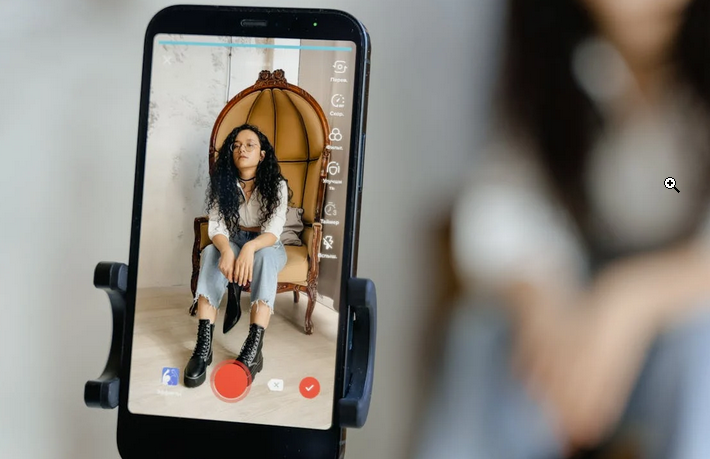 Not everyone buys views. Many creators work hard to build a real following. They spend time learning the platform, engaging with their audience, and improving their content. These creators often get pushed aside when others use shortcuts. The imbalance can be discouraging. Bought views make it harder to measure true success. Platforms like TikTok prioritize engagement, so artificial boosts can interfere with who gets featured. When algorithms reward fake growth, the system stops working for those who follow the rules. Regulation could help restore fairness. It wouldn’t be about punishing creators, but about ensuring an even playing field.
What Regulation Might Look Like
Regulating bought views wouldn’t be simple, but it’s not impossible. Platforms already have tools in place to detect bots and irregular activity. These could be strengthened. Penalties could include account restrictions, transparency labels, or reduced discoverability for posts found to use artificial engagement. There’s also a role for third parties. Agencies, brands, and influencer marketing platforms could take steps to verify metrics. This could involve auditing engagement sources and favoring creators who grow organically. Like financial disclosures in business, content creators could be asked to declare if engagement was purchased. The goal wouldn’t be to micromanage creators. It would be to protect integrity in a space where influence equals income.
The Consumer’s Role
 Viewers also play a part. When audiences support creators based on visible metrics, they help drive the demand for inflated numbers. Most people don’t know when views are fake. But greater awareness could shift the culture. If people start valuing transparency and consistency over flash, creators will feel less pressure to fake popularity. That cultural shift is hard to force, but it can be encouraged. Education on how social platforms work and how influence is measured can make users more mindful. The more people recognize real effort, the less power fake metrics will hold.
The Ethics of Visibility
This issue also connects to larger questions about digital ethics. Social media rewards speed, visibility, and scale. Those incentives push creators toward whatever gets noticed fastest, even if it’s not authentic. Bought views aren’t just a trick. They reflect a system that values appearance over substance. Ethical tech means designing systems that don’t reward manipulation. It means holding both creators and platforms accountable. If we want digital spaces to support creativity, fairness, and honest expression, we have to look at the rules behind the scenes. That includes asking whether buying TikTok views is just clever marketing or a problem that undermines everyone’s experience.
Regulation doesn’t mean shutting down creativity. It means defining standards that help everyone thrive. In influencer culture, metrics will always matter. But how those numbers are earned should matter even more. Buying views may seem harmless, but it affects creators, brands, and audiences alike. The path forward requires conversation. Platforms must invest in detection tools. Brands need to demand transparency. And creators should reflect on how they build their reputation.